


What to know about Westminster council garden waste rules
Posted on 11/11/2026
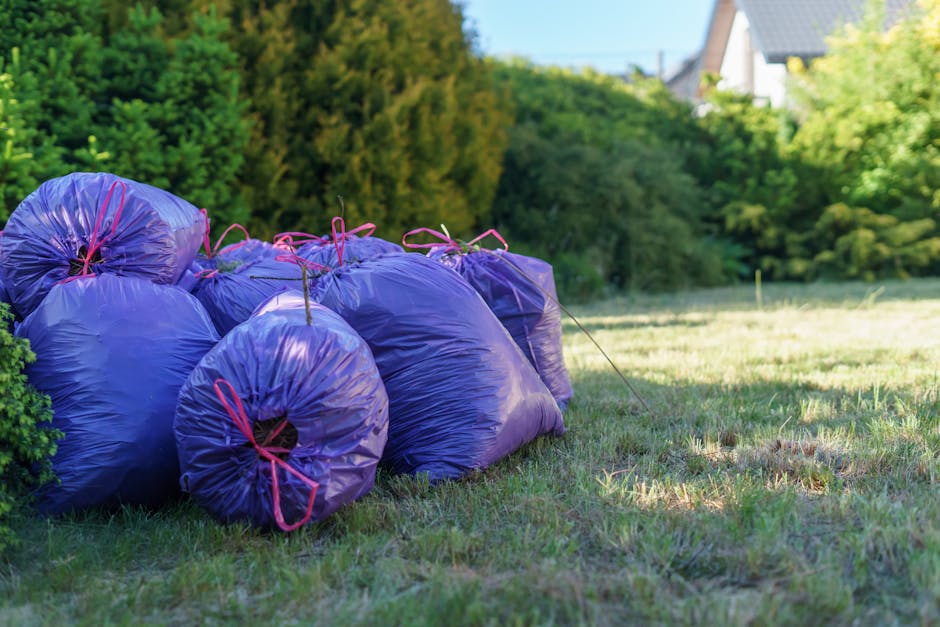
If you live, garden, or manage outdoor space in Westminster, the rules around green waste can be surprisingly easy to get wrong. A bag of hedge clippings may look harmless on a quiet Sunday morning, but what you do with it afterwards can affect collection, cleanliness, and even whether your waste is accepted at all. This guide to What to know about Westminster council garden waste rules breaks everything down in plain English: what counts as garden waste, how to sort it, what to avoid, and how to make the whole job less stressful.
Truth be told, most people do not need a lecture on waste policy. They need to know what goes in the bin, what stays out, and how to keep the garden tidy without creating a mess at the kerbside. That is exactly what this article covers, with practical steps, a comparison table, and a checklist you can actually use.
Why What to know about Westminster council garden waste rules Matters
Garden waste sounds simple until you are standing over a pile of cuttings wondering whether it is a "green" material, a reusable mulch ingredient, or just something that needs collecting. Westminster council garden waste rules matter because they shape how outdoor waste is stored, presented, and removed from your property. Get it right and things stay tidy. Get it wrong and you may end up with a missed collection, extra effort, or waste that has to be sorted all over again.
For anyone maintaining a small town garden, a shared courtyard, a roof terrace, or even a larger private garden, the practical stakes are real. Garden waste can smell, blow around, attract pests, and take up space quickly. In a dense city like Westminster, that matters more than people sometimes expect. One windy afternoon and a neat pile of clippings can turn into a neighbourly headache. Let's face it, nobody enjoys chasing leaves down the pavement.
There is also a wider environmental angle. Many councils encourage proper separation of organic waste because clean green material can often be processed differently from mixed rubbish. That is better for the system, and better for your garden too if you choose to reuse some of it through composting. If you are planning more regular garden work, it can be worth reading about routine garden maintenance support and even broader gardening services in Mayfair so the whole outdoor space stays manageable rather than chaotic.
How What to know about Westminster council garden waste rules Works
At a practical level, the process usually comes down to three things: what you put out, how you present it, and when you do it. Westminster council garden waste rules are designed to keep organic waste separate from general household rubbish and bulky items. That means grass cuttings, leaves, hedge trimmings, small branches, weeds, and similar material are typically handled differently from soil, rubble, pots, plastics, or food waste.
The most important thing is separation. Clean garden waste is easier to collect and process. Mixed waste is where problems begin. For example, if you cut back a border after a wet week and throw in plastic plant ties, broken terracotta, and old compost bags, the pile stops being straightforward green waste. It becomes contamination. That can lead to refusal or extra handling, depending on the collection method in use.
Usually, there are also practical presentation rules. Waste may need to be bagged, bundled, or placed in a designated container depending on the collection service available to you. Overfilling, using the wrong type of sack, or leaving loose material where it blows into the road can create issues. In our experience, a bit of planning the night before saves far more time than scrambling on collection morning with a half-open bag and a rake in your hand.
It is also helpful to think in terms of materials. Soft green waste, woody cuttings, and heavier soil-based debris behave differently. A hedge cut from the front garden is not the same as patio sweepings after a pruning session. If your outdoor space needs work beyond waste removal, related tasks such as hedge trimming, tree surgery, or lawn mowing often generate different volumes and types of material, so the cleanup approach should match the job.
Key Benefits and Practical Advantages
Following the rules is not only about avoiding a nuisance. Done properly, garden waste management gives you a cleaner routine, a tidier property, and less waste overall. A good system also makes larger garden jobs feel less exhausting. That sounds obvious, but anyone who has ever filled the same bag three times knows it is true.
- Cleaner kerbside presentation: Properly prepared waste is easier to collect and less likely to spill.
- Less risk of rejected waste: Clear sorting reduces the chance of contamination.
- Better garden hygiene: Removing dead material keeps borders, lawns, and patios in better condition.
- More efficient seasonal clear-outs: Autumn leaf fall and spring pruning become easier to manage.
- Improved reuse potential: Some clean green waste can be composted or reused on site.
There is also a time-saving benefit that gets overlooked. If you already know how to separate green waste from everything else, each garden session becomes quicker. You will notice this most after bigger jobs like cutting back shrubs, refreshing tired borders, or clearing the space around hard landscaping. If the rest of the garden needs attention too, it can help to plan around services such as landscaping, patio cleaning, or even decking services, because all of those jobs can change the amount and type of garden debris you end up handling.
Practical summary: The real value of Westminster council garden waste rules is not just compliance. It is a better routine: cleaner waste, fewer collection problems, and less time wasted sorting out avoidable mistakes.
Who This Is For and When It Makes Sense
These rules matter to a wider group of people than you might think. Homeowners with small front gardens, tenants with shared courtyards, landlords managing rental properties, and anyone paying for regular garden upkeep all have a stake in getting it right. If you have a couple of pots on a balcony, you may only deal with a handful of clippings at a time. If you manage a larger outdoor space, the issue becomes much more frequent.
It makes particular sense to pay close attention after seasonal jobs. Think late spring when growth suddenly leaps forward, or autumn when the leaves start coming down in handfuls. It also matters after plant surgery, when a routine tidy-up turns into a full clear-out. For example, a hedge trim can produce far more waste than you expected, especially if the shrub line has been neglected for a while.
There is a practical tipping point too. If you are dealing with a small amount of waste, home composting or a simple collection routine may be enough. If you are repeatedly filling bags, dragging branches, or struggling to keep up, a more structured approach makes sense. Some people prefer to combine waste handling with longer-term garden care, especially if the space also needs lawn care, weed control, or seasonal planting work.
A quick real-world example: a terrace garden in Mayfair with a few shrubs and a modest lawn may generate very little waste week to week. Then one Saturday, the owner cuts back climbers, pulls weeds after rain, and trims the lawn edges. Suddenly there are three types of waste sitting in one place. That is the moment where understanding the system saves you from a messy guess.
Step-by-Step Guidance
If you want a straightforward way to handle garden waste without overthinking it, use this sequence.
- Sort the waste at source. Keep green waste separate from plastics, pots, stones, old soil, and general rubbish.
- Check the material type. Identify whether the waste is mostly soft cuttings, woody prunings, leaves, or mixed debris.
- Remove contamination. Shake off soil where possible and pull out visible foreign items. Small bits matter more than people expect.
- Use the correct container or bag. Follow the collection format provided for your property or area. Do not improvise with weak bags that split half-way down the path.
- Prepare items neatly. Keep branches manageable, ties secure, and bags closed enough to prevent spillage.
- Set waste out at the right time. Avoid leaving it out too early, especially in wet or windy weather.
- Rinse and reset afterwards. A quick sweep of the collection spot prevents residue, smells, and little piles of leaf fragments.
A small but useful habit: keep one bin or tub for "green waste only" while you work. That way, pruning shears, dead flowers, and lawn clippings are not mixed with packaging or old compost bags. It sounds basic. It is basic. And it works.
If you are doing a bigger clearance, especially in a garden with overgrown sections or stubborn ivy, it may help to read up on ivy removal guidance or plan around broader garden maintenance so the cleanup is broken into manageable stages rather than one long, tiring job.
Expert Tips for Better Results
There is a difference between simply complying and handling garden waste well. The second approach saves time, reduces smell, and keeps the whole process calmer. A few practical habits make a big difference.
- Cut waste down before bagging it. Shorter lengths take up less space and are easier to move.
- Dry it a little if possible. Wet grass and soggy leaves are heavier, messier, and more likely to rip bags.
- Use the garden itself as a staging area. A patio or driveway can be a temporary sorting point, especially if it is cleanable afterwards.
- Think in layers. Put heavier pieces at the bottom and lighter material on top to reduce collapse.
- Compost what you can. If you have room, clean organic material can be turned into something useful rather than sent away.
There is also a design angle here. Gardens that are easier to maintain generally generate less waste in chaotic bursts. That can mean better plant choices, smarter spacing, and fewer invasive problem spots. If you are reworking the layout, articles on low-maintenance garden makeovers and weather-resistant garden planning can help you reduce the churn that creates waste in the first place.
One more thing, and it sounds small but it saves a lot of grief: keep a pair of gloves and a hand fork nearby. You do not want to be fishing wet leaves out of a bag with bare hands at dusk. Nobody does. Especially in November.
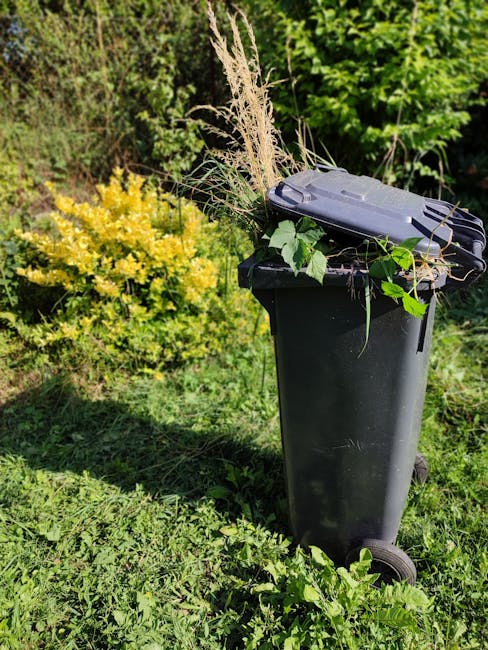
Common Mistakes to Avoid
Most garden waste problems are not dramatic. They are just avoidable. The same errors come up again and again.
- Mixing green waste with general rubbish: This is the big one. It can contaminate the whole load.
- Including soil, rubble, or broken pots: These are usually treated differently from plant waste.
- Using overfilled or fragile bags: Bags that split on the pavement create extra work and possible collection problems.
- Leaving waste out in bad weather: Wind and rain can ruin an otherwise tidy setup.
- Ignoring woody waste: Branches and thicker cuttings need more thought than soft leaves and clippings.
- Forgetting the after-clean: Residue left on steps or paving can smell and attract insects.
Another quiet mistake is assuming every bit of outdoor mess counts as garden waste. It does not. Patio sweepings, pressure-wash residue, old fencing offcuts, and broken decking parts can fall into different categories. If you are also improving hard surfaces or structural elements, related work such as fencing, decking replacement, and patio cleaning may require separate disposal thinking. Easy to miss, that one.
Tools, Resources and Recommendations
You do not need a van full of equipment to handle garden waste properly. A small, sensible set of tools will usually do the job.
- Heavy-duty garden bags: Better for clippings and leaf waste than thin domestic sacks.
- Pruning shears or loppers: Useful for reducing branch size before bagging.
- Rake and hand brush: Good for leaf fall, lawn debris, and patio clean-up.
- Tarpaulin: Handy for moving material in one go without scattering it everywhere.
- Gloves: Plain but essential. Thorny shrubs are not kind.
- Compost bin or heap space: A sensible option if you generate regular green waste.
For many households, the most useful "resource" is simply a better routine. Keep a spare bag in the shed. Store a small brush near the back door. Empty cuttings before they get soggy. This kind of tiny organisation makes a bigger difference than one more gadget ever will.
If your outdoor space is part of a larger upkeep plan, it can help to combine waste handling with ongoing care from professional gardening support or to improve the planting structure itself with ideas from ground cover planting ideas. Less bare soil usually means less mess. It also looks better, frankly.
Law, Compliance, Standards, or Best Practice
For a topic like this, the safest way to think about compliance is to follow the collection guidance that applies to your property and to keep waste streams separate. Do not guess. Do not assume that one local routine matches another. Council-managed waste systems can vary in how they want garden waste presented, and the details matter more than people think.
As a general best practice in the UK, garden waste should be stored in a way that prevents litter, odour, pest attraction, and contamination. That means no loose spreading across shared access routes, no unsafe overloading, and no mixed disposal where green waste gets tangled up with non-organic items. If you are unsure about a specific material, treat it cautiously and keep it out of the green waste pile until you have checked the right route.
If your garden project involves trees, hedges, or heavy seasonal clearance, extra care is sensible. Some tasks naturally produce mixed waste, and some produce waste that is bulky or awkward. A neat pruning job is one thing; a full boundary cut-back is another. This is where a planned approach helps more than speed. Fast is good. Careful is better.
Best practice also means keeping neighbours in mind. In a built-up part of London, shared entrances, narrow paths, and close windows change the whole equation. A bag left in the wrong place on a damp evening can quickly become everybody's problem. That sounds dramatic, but it is usually true.
Options, Methods, or Comparison Table
There is more than one way to deal with garden waste, and the best choice depends on volume, space, and how often you garden. Here is a simple comparison.
| Method | Best for | Pros | Limitations |
|---|---|---|---|
| Kerbside collection | Regular garden cuttings and household green waste | Convenient, simple, low effort | Must follow presentation and sorting rules carefully |
| Home composting | Leaves, grass clippings, soft cuttings | Reduces waste, creates useful compost | Needs space, patience, and the right mix of materials |
| Bag-and-store until collection | Occasional bigger tidy-ups | Flexible, easy to organise | Can get messy if bags are weak or left too long |
| Professional garden clearance | Large projects, heavy prunings, overgrown plots | Saves time, handles bigger volumes | Needs scheduling and may be more costly |
To be fair, most people use a mix. A little composting at home, some scheduled collection, and a tidy system for heavy jobs is usually the sweet spot. If your garden regularly produces more waste than your household can comfortably handle, that is a sign to rethink the workflow, not a sign you are failing. Gardens grow. Waste happens.
Case Study or Real-World Example
Picture a small Westminster courtyard garden in early autumn. The owner has clipped back lavender, taken down tired annuals, and trimmed a bay tree that had started leaning into the walkway. On the first attempt, all the waste goes into one pile. Leaves, twigs, plastic labels, and a couple of old pots. It looks efficient for about ten minutes, then becomes a sorting job.
On the second attempt, the owner separates everything as they go. Soft cuttings go into one bag, woody material is tied into small bundles, and non-green items are removed immediately. The result is boring in the best possible way: less stress, less mess, and no last-minute panic at the gate.
That is the whole point of understanding Westminster council garden waste rules. The rules are not there to make gardening harder. They are there to make the system work in a city where space is tight and storage is never as generous as you wish it was. Once you build the habit, it barely feels like a rule at all. It just becomes part of the job.
Practical Checklist
Use this quick checklist before you put out any garden waste:
- Have I separated green waste from general rubbish?
- Have I removed pots, labels, stones, and plastic ties?
- Are branches and clippings cut down to a manageable size?
- Are my bags or bundles secure and not overfilled?
- Have I avoided adding soil, rubble, or other mixed debris?
- Is the waste protected from wind and rain until collection?
- Do I know where the waste should be placed for collection?
- Have I swept up loose debris from the path or pavement?
- Would any of this material be better composted at home?
- Do I need help with the bigger garden job behind the waste?
If you can tick most of those off, you are in good shape. If not, pause and sort it properly. Five extra minutes now is usually worth far more than a rejected bag later.
Get a free quote today and see how much you can save.
Conclusion
What to know about Westminster council garden waste rules comes down to a few grounded habits: separate your green waste, present it properly, avoid contamination, and stay aware of the difference between garden debris and other outdoor rubbish. That is the simple version. The useful version is this: a tidy waste routine makes your garden easier to live with, easier to maintain, and far less frustrating when the clippings start piling up.
If you keep your system simple and consistent, the rules stop feeling like a burden. They become part of a calmer garden rhythm. And honestly, that is what most people want at the end of the day: a space that feels looked after, not a project that keeps dragging on.
Start small, keep it neat, and let the rest fall into place.


Leveraging his expertise as a gardening manager, Liam has aided thousands of customers in achieving the garden aesthetics they desired. His articles center on sustainable gardening methods and user-friendly services.