


Same day gardeners in Mayfair emergency garden clearance
Posted on 03/11/2026
Same day gardeners in Mayfair emergency garden clearance: fast, calm help when your garden cannot wait
If your garden has suddenly become unsafe, blocked, messy, or simply unmanageable, same day gardeners in Mayfair emergency garden clearance can make a very real difference. One heavy storm, a fallen branch, a pile of green waste, or an overgrown entrance can turn a pleasant outdoor space into a problem you have to deal with today. In Mayfair, where access, presentation, and neighbour awareness matter, fast clearance is not just convenient; it is often the sensible next step.
This guide explains what emergency garden clearance actually involves, how same-day visits usually work, what to expect on the day, and how to choose the right help without rushing into the wrong decision. You will also find practical advice, a clear checklist, a comparison table, and answers to common questions people ask when they need action fast. If you are trying to get your garden back under control before guests arrive, after bad weather, or ahead of property works, you are in the right place.
Why Same day gardeners in Mayfair emergency garden clearance Matters
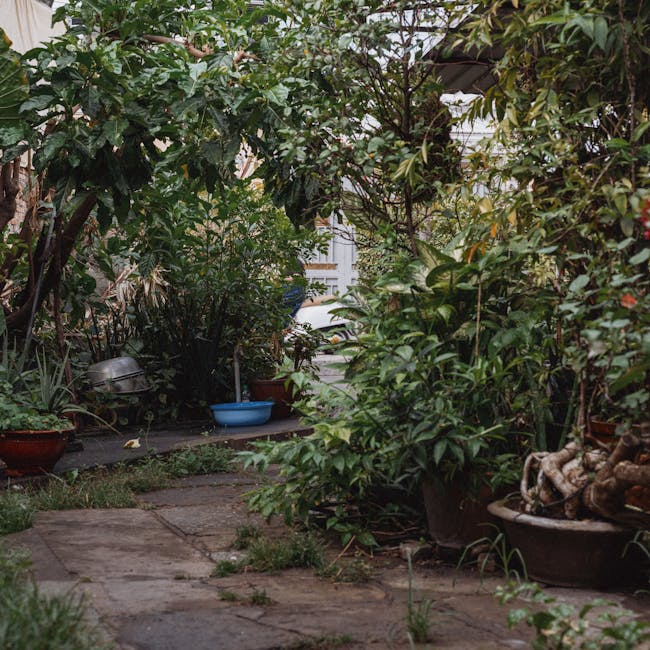
Emergency garden clearance is about restoring control quickly. That might mean removing broken branches after wind damage, clearing a front or rear garden that has become impassable, taking away waste that has built up after maintenance delays, or simply making a property safe for residents, staff, visitors, or contractors. In a busy London area like Mayfair, where properties can be compact, shared, or tightly accessed, delays tend to make the problem worse, not better.
A cluttered or damaged outdoor space can create several issues at once. Slippery paths, unstable piles of waste, blocked gates, trip hazards, and fallen debris all make the area harder to use and, frankly, harder to look after. If plants have collapsed, ivy has run wild, or a hedge has opened up a view that should be screened, you may also feel the pressure of privacy and presentation. That matters more than people admit.
There is also a practical chain reaction. Left too long, fallen material can attract pests, encourage damp, or compact the soil underneath. Overgrown areas make later work slower and more expensive. A same-day response stops that drift and gives you breathing room. To be fair, sometimes the best part is simply the relief of seeing the place visible again.
If the issue started with neglected maintenance rather than a sudden incident, it often overlaps with broader upkeep needs. In that case, a visit arranged through garden maintenance in Mayfair can help prevent the next emergency, while more routine follow-up may include lawn care support or hedge trimming services to stop the same problem recurring.
How Same day gardeners in Mayfair emergency garden clearance Works
Same-day clearance usually follows a simple sequence, though the exact process depends on the scale of the job and how accessible the garden is. First, you describe the problem clearly. The best descriptions are practical and specific: what happened, how much space is affected, whether there is a safety issue, and whether waste removal is required. A photo or two can save time, especially if the site includes narrow side access, steps, or fragile planting.
Next comes a quick assessment. A good team will decide what can be cleared immediately, what needs more careful handling, and whether anything requires specialist attention. For example, if the issue is a dangerous limb hanging over a roof or pavement, the work may need support from tree surgery specialists rather than a standard clearance visit. That distinction matters. Emergency gardening is not just about speed; it is about using the right method safely.
On arrival, the team usually begins with access, hazards, and priority areas. Paths may be cleared first, then heavy waste, then vegetation, then tidy finishing. In some cases, the work is limited to making the site safe and presentable on the same day, with fuller restoration booked later. That is often the most realistic approach, and honestly, it is usually the smartest one too.
Where the garden includes built features, the work can extend beyond plants. Waste and debris often collect around paving, timber surfaces, and boundaries. If there is slick moss, mud, or residue on hard landscaping, it may be sensible to combine the clearance with patio cleaning in Mayfair, decking services, or even fencing work if panels or posts have been disturbed.
Key Benefits and Practical Advantages
Speed is the obvious benefit, but not the only one. Same-day clearance offers a mix of practical and emotional advantages that are easy to underestimate until the job is done.
- Immediate safety improvement: Loose branches, blocked walkways, and hidden debris are dealt with quickly.
- Better access: Gates, paths, side returns, and rear entrances become usable again.
- Cleaner presentation: Useful when guests, landlords, agents, contractors, or family members are due.
- Less damage: Prompt removal of storm debris or invasive growth reduces knock-on harm.
- Reduced stress: A clear garden feels manageable again. That alone has value.
- More efficient follow-up work: Once the space is cleared, longer-term improvements are easier to plan.
There is a further advantage in London settings: reduced disruption. A tidy, organised clearance can often be completed with less disturbance to neighbours, service access, and shared boundaries. In a place like Mayfair, where discretion and neatness are appreciated, this is not a small point.
Emergency clearance can also create a better platform for future work. Once the worst of the mess has gone, it becomes easier to think clearly about whether the garden needs pruning, redesign, privacy planting, or a low-maintenance refresh. For some properties, a fast clearance leads naturally into a wider landscaping project or a longer-term gardening services plan.
Who This Is For and When It Makes Sense
This service is not only for obvious storm damage. It suits anyone dealing with a garden that suddenly needs attention and cannot wait for a routine slot.
Typical situations include:
- fallen branches or debris after wind or heavy rain
- an overgrown front garden affecting access or first impressions
- dead, broken, or collapsing vegetation
- green waste piled up after previous work or tenant turnover
- blockages around entrances, side returns, or bin access areas
- rapid weed or ivy spread that is now creating damage or safety concerns
- post-event tidying after a gathering, property viewing, or building work
It also makes sense for landlords, managing agents, homeowners, and business premises that need outdoor spaces made presentable quickly. Sometimes the issue is not dramatic, just awkward. A garden might look fine from a distance, then you step outside and realise the whole thing has gone sideways in a week. Happens more often than people think.
If privacy is part of the problem, especially where growth has become patchy or exposed, a fast clearance can be followed by softer screening work. Ideas from hedge variety guidance or evergreen climbers for shade can help you rebuild cover in a way that suits the space.
Step-by-Step Guidance
If you need same day help, a calm plan saves time. Here is the most sensible way to approach it.
- Identify the priority problem. Is it safety, access, appearance, or all three? Start there.
- Take a few clear photos. Wide shots and close-up shots help the team judge the scale before arrival.
- Note access details. Side entrance, lock issues, narrow passageways, neighbours, parking, and any restrictions all matter.
- Separate urgent from non-urgent work. A dangerous branch comes before cosmetic pruning. Every time.
- Ask what will be removed and what will stay. This avoids confusion with planted borders, pots, and structures.
- Check whether waste disposal is included. Emergency clearance often creates more waste than people expect.
- Confirm timing and scope. Same day does not always mean the whole garden is transformed. Sometimes it means made safe and tidy first.
- Plan the follow-up. Decide whether maintenance, pruning, lawn work, or cleaning needs to happen next.
A useful rule of thumb: if you would struggle to explain the problem in one sentence, you probably need to send a photo as well. It sounds obvious, but it avoids a lot of back-and-forth.
Once the site is safe, the next stage can be more structured. If the garden now needs recurring upkeep, a scheduled visit through Mayfair garden maintenance can keep things from slipping back. If the lawn has been left under debris or weeds, lawn mowing support can restore shape and visibility quickly.
Expert Tips for Better Results
In our experience, the best emergency clearances are the ones where the homeowner or property manager has already made a few sensible decisions before the team arrives. That does not mean doing the work yourself. It means preparing the site properly and knowing what not to touch.
- Do not start cutting everything back at random. You may hide the real issue or create extra waste.
- Keep pets and children away from the work area. Tools, sharp stems, and loose material move around fast.
- Preserve anything valuable or fragile. Potted plants, ornaments, irrigation fittings, and lighting often need to be moved first.
- Flag hidden risks. Buried cables, unstable fencing, soft decking, or old tree stumps should be mentioned.
- Ask for a tidy finish. A clearance job should leave the space usable, not just technically "done."
- Think about drainage. If water has been pooling, clearing debris may expose a bigger issue.
If your garden has dense climbing growth or repeated weed pressure, it is worth considering longer-term preventive work once the emergency is handled. Helpful background reading on ivy removal and weed control can make the next conversation with your gardener much easier.
And one slightly old-fashioned but practical tip: keep a small notebook or phone note of what was cleared, what was left, and what still needs attention. Sounds a bit fussy, perhaps, but it saves memory fog later on. Which is always welcome.
Common Mistakes to Avoid
The biggest mistake is waiting too long because the problem feels embarrassing or inconvenient. A lot of people do that. Then the job grows arms and legs, and suddenly what might have been a straightforward clearance becomes a much bigger clean-up.
Other common mistakes include:
- Booking the wrong kind of service. Not every overgrown or damaged situation is a standard clearance. Trees, unstable structures, and fencing may need specialist input.
- Assuming same day means everything is included. Some jobs need phased work, especially where waste volume is high.
- Not checking access. Narrow mews-style entrances, locked gates, or basement steps can slow things down.
- Ignoring hard surfaces. Clearing branches but leaving slippery residue on paving or decking is only half the job.
- Forgetting boundaries. Shared hedges, neighbour-facing screening, and fence lines need care and clear communication.
Another issue is over-pruning. In a panic, it is tempting to take too much off. But hard cutting can leave plants stressed and bare. If the issue involves hedges or screening plants, a measured approach from hedge trimming professionals is usually better than a heavy-handed chop with a pair of tired shears and regret.
Tools, Resources and Recommendations
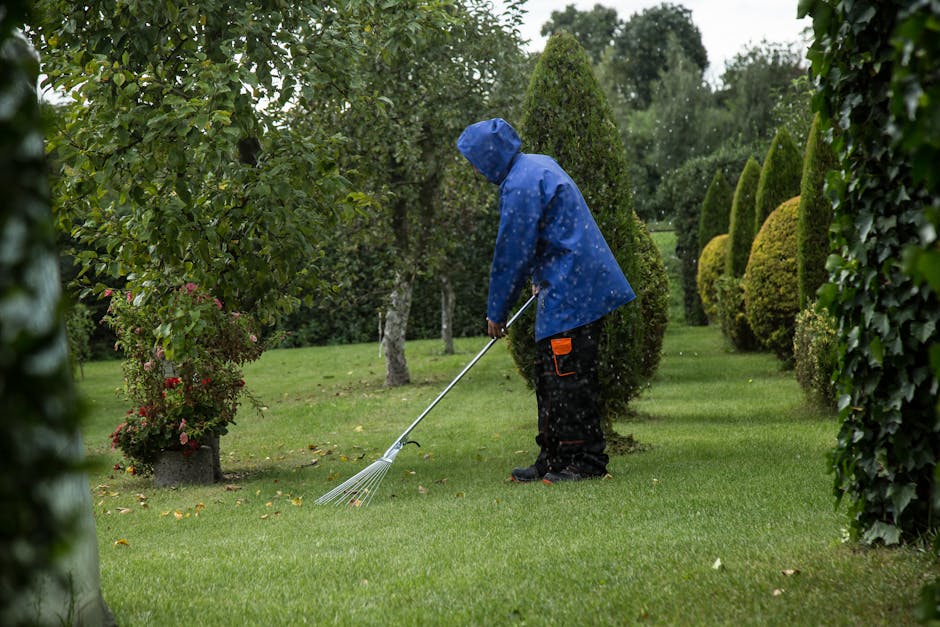
For a same-day clearance, the right tools matter because time is short and the work often involves mixed conditions. A crew may need cutting tools, loppers, pruning saws, protective gloves, tarps, waste sacks, wheelbarrows, rakes, and loading equipment. In some gardens, access aids and compact transport are just as important as the cutting tools themselves.
Useful categories of support include:
- General clearance: for mixed debris, clutter, and overgrowth
- Patio and surface cleaning: for mud, residue, and slippery patches
- Tree-related work: for dangerous limbs, overhang, or storm damage
- Landscape recovery: for spaces that need more than a one-off tidy
- Ongoing maintenance: for keeping the garden in shape after the emergency is over
If you are rebuilding a space after the clearance, a few topic guides can help you think beyond the immediate mess. For example, ideas on weather-resistant garden planning are useful after storm-related damage, while low-maintenance makeover advice can help if you want to avoid the same workload next season.
For a softer, more polished finish, you may also want to review material on garden seating areas, container planting, or even zen garden design if you are rethinking the entire outdoor feel.
Law, Compliance, Standards, or Best Practice
Emergency garden clearance can touch on safety, waste handling, neighbour relations, and sometimes protected features or shared boundaries. It is wise to keep the approach practical and cautious rather than assuming every branch or hedge can be removed without checks.
Good practice usually includes:
- Safe working methods: tools used by trained people, with proper protective equipment and controlled cutting methods
- Responsible waste handling: green waste, woody material, and mixed debris should be removed or disposed of appropriately
- Boundary awareness: care around fences, walls, neighbour planting, and shared access points
- Plant and tree caution: if large trees, unstable stems, or overhanging limbs are involved, specialist judgment matters
- Site tidiness: leaving walkways safe and the area usable after the clearance
There can also be practical permission issues in managed properties, shared gardens, or buildings with communal access. If you are unsure, it is better to pause and clarify ownership or responsibility before work begins. That is not bureaucracy for its own sake; it prevents disputes later. If the garden includes structural elements or privacy boundaries, services such as fencing support may need to be coordinated with the clearance.
For properties with more complex layouts, a broader approach is often best. In Mayfair, many gardens benefit from a mix of immediate clearance and careful follow-on planning, rather than one dramatic cut-back done in a rush. Quietly sensible, that is the aim.
Options, Methods, or Comparison Table
Not every urgent garden problem needs the same solution. Here is a simple comparison of the most common approaches.
| Approach | Best for | Speed | Typical outcome |
|---|---|---|---|
| Emergency same-day clearance | Blocked access, storm debris, urgent safety issues | Very fast | Site made safe, clear, and workable |
| Routine garden maintenance | Regular upkeep, gradual overgrowth, seasonal tidying | Moderate | Steady control and prevention of problems |
| Specialist tree work | Dangerous limbs, major overhang, tree instability | Fast to planned | Risk reduced by trained tree specialists |
| Landscaping or redesign | Repeated issues, poor layout, tired or impractical space | Slower | Longer-term improvement and better use of space |
The main decision is whether you need immediate containment or a broader transformation. Sometimes the answer is both: clear now, plan later. That is often the neatest route, especially if the garden has been neglected or damaged more than once.
If the clear-up reveals that the lawn is beyond a simple tidy, a look at lawn care options can help you judge whether recovery is realistic or whether a fresh plan would be more sensible.
Case Study or Real-World Example
Picture a typical Mayfair situation after a windy night. A rear garden has several broken branches scattered across the paving, some shrubs have bent low, and the side access is blocked by wet debris. The property is due to be shown later in the day, so there is no room for delay. Not ideal, obviously.
The first step is not to "make it look perfect." The first step is to make it safe and accessible. A same-day team would usually clear the path, remove loose branches, stack or bag waste, check for hidden damage to fencing or deck edges, and tidy the main visible areas. If the patio is muddy or slick, surface cleaning may be folded in as part of the visit. If a tree limb is hanging awkwardly, that part is separated out for specialist handling.
What matters most in this kind of scenario is sequence. The best teams do not rush to cut everything. They read the space, deal with the urgent bits first, and leave the garden with a cleaner shape than it had before. The homeowner may still need follow-up pruning or planting, but the panic is gone. And that changes everything.
For longer-term recovery, it can help to think in layers. First, clearance. Then, maintenance. Then, improvements. If the garden also needs structure or privacy, nearby services such as landscaping and general gardening support can build that back steadily.
Practical Checklist
Use this quick checklist before you book or when you are preparing for a same-day visit.
- Identify the main problem in one sentence
- Take clear photos of the affected area
- Check gate, side access, and parking details
- Move pets, children, and fragile items away from the work zone
- Decide whether waste removal is needed
- Point out any hazards, damp areas, or unstable structures
- Ask if the team can also tidy hard surfaces
- Confirm whether tree, fence, or decking issues need specialist input
- Keep the follow-up plan in mind: maintenance, pruning, or redesign
- Make sure you know what "done" will look like at the end of the visit
Expert summary: if the garden is unsafe, blocked, or visibly deteriorating, the right same-day clearance can stop the problem spreading and restore control quickly. The best results come from clear communication, sensible priorities, and a follow-up plan that matches the space rather than forcing a one-size-fits-all fix.
Conclusion
Same day gardeners in Mayfair emergency garden clearance is about more than speed. It is about restoring order when the outdoor space has become a problem, protecting safety, and making the area usable again without unnecessary stress. Whether the issue is storm debris, overgrowth, blocked access, or a garden that simply cannot wait, a calm same-day response is often the best first move.
The strongest approach is straightforward: deal with the immediate hazard, make the site tidy and workable, then decide what needs to happen next. A little planning goes a long way here. So does choosing the right kind of help for the right task. That's the difference between a rushed fix and a proper recovery.
If you want to take the next step and get the space back under control, it is worth speaking to a local team that understands both urgent clearance and longer-term garden care. Sometimes a single visit is enough. Sometimes it opens the door to a better, easier garden altogether. Either way, getting started is the important part.
Get a free quote today and see how much you can save.

Leveraging his expertise as a gardening manager, Liam has aided thousands of customers in achieving the garden aesthetics they desired. His articles center on sustainable gardening methods and user-friendly services.