


Avoid common mistakes when hiring Mayfair gardeners
Posted on 27/11/2026
Hiring a gardener should make life easier, not turn into a string of avoidable headaches. In a place like Mayfair, where gardens can be compact, private, and often more detailed than they first look, the wrong choice can mean poor planting, missed maintenance, damaged paving, or a job that looks neat for a week and then unravels. This guide will help you avoid common mistakes when hiring Mayfair gardeners so you can choose with confidence, ask better questions, and get results that actually last.
Whether you need regular upkeep, a tidy-up after winter, help with a lawn that has gone patchy, or a more involved outdoor refresh, the same principles apply. Know what you need, check the right things, and don't rush the decision. Simple enough in theory. In practice? People often skip the dull bits and regret it later.
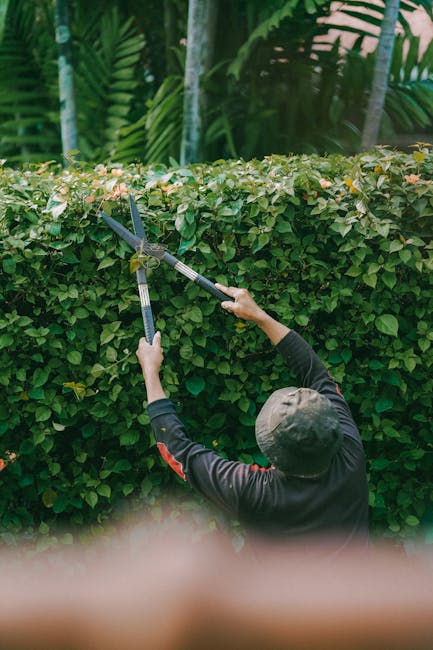
Why Avoid common mistakes when hiring Mayfair gardeners Matters
Good garden work is one of those services that looks straightforward until you see the difference between someone who understands the space and someone who just turns up with a mower. In Mayfair, gardens are often part of a larger picture: elegant entrances, paved areas, privacy planting, container displays, small lawns, and sometimes mature trees or hedges that need a careful hand. A rushed decision can lead to poor plant choices, overcut hedges, unsafe tree work, or maintenance that doesn't suit the property.
There is also the money side. When you hire the wrong person, the cost is rarely just the invoice. You may end up paying twice to fix a poor cut, replace plants that were not suited to the site, or bring in another team because the first one missed half the brief. That is why the hiring stage matters so much. A little caution up front saves a lot of grief later.
And let's face it, in a neighbourhood where presentation counts, the outside of the property matters as much as the inside. A smart, well-kept garden sets the tone. A messy one does the opposite.
How Avoid common mistakes when hiring Mayfair gardeners Works
The process is really about reducing uncertainty. You are not just choosing someone who can cut grass or trim a hedge. You are choosing a person or team who can understand your garden, work safely, communicate clearly, and deliver consistent results over time.
In practical terms, hiring well usually follows a few stages:
- Define the job clearly. Are you after one-off clearance, routine upkeep, planting advice, or broader work like landscaping support?
- Check capability against the job. A gardener who is great at lawn mowing may not be the right person for mature hedge management or detailed soft landscaping.
- Ask about methods and materials. This is where you learn whether they use sensible approaches, know how to protect surfaces, and understand seasonal needs.
- Agree scope, timing, and communication. Good work often depends on good coordination, especially where access is tight or neighbours are close by.
- Review after the first visit. The first job tells you a lot. Did they arrive as agreed? Was the site left tidy? Did they notice small issues before they became bigger ones?
If you want a broader starting point, it can help to look at a full range of gardening services in Mayfair and match the task to the right type of expertise rather than assuming one person can do everything equally well.
Key Benefits and Practical Advantages
Choosing carefully does more than protect your budget. It improves the garden itself.
- Better plant health: A gardener who understands timing, soil, shade, and pruning will usually produce healthier growth and fewer setbacks.
- Cleaner, more consistent presentation: Little things matter. Edges, clipping lines, weed control, and surface cleanup all affect how a garden feels.
- Less damage to hard landscaping: Heavy tools, poor cleaning methods, or careless access can harm paving, fencing, decking, and borders.
- More useful advice: A good gardener notices patterns. For example, why a shady corner keeps struggling, or why a hedge needs a different approach.
- Better long-term planning: The right person can help you make sensible choices over time instead of chasing quick fixes.
There is a real difference between maintenance that simply keeps things ticking over and maintenance that improves the space. You want the second one, ideally.
For some properties, a specialist touch is useful too. A team that handles regular garden maintenance can keep everything coherent, while a separate service like patio cleaning may be the right call when the outdoor surfaces have become slippery, stained, or just a bit tired-looking.
Who This Is For and When It Makes Sense
This advice is for homeowners, landlords, property managers, and busy residents who need dependable outdoor care without becoming part-time project managers themselves. It is also for anyone who has already had one bad experience and now wants to do things properly. Truth be told, most people do not start with a perfect hiring process. They learn after a poor cut, a vague quote, or a missed appointment.
It makes sense to apply these checks when you need:
- routine mowing, edging, and border tidy-up
- hedge trimming or structured pruning
- seasonal planting and replanting
- ivy removal or invasive growth control
- tree work that needs skill and caution
- decking, fencing, or patio-related outdoor care
- whole-garden refreshes rather than isolated jobs
If your outdoor space includes lawns, it helps to know whether you need lawn mowing for simple upkeep or more specific lawn care to improve condition, density, and resilience. Those are related, but not the same thing.
Step-by-Step Guidance
1. Start with a clear picture of the job
Before you speak to anyone, walk the garden slowly. Notice what is actually going wrong or what needs changing. Is it a maintenance problem, a design problem, or a seasonal clean-up issue? A patchy lawn needs a different response from a privacy hedge that is getting too wide. If you skip this step, you will end up judging gardeners on the wrong things.
2. Separate general maintenance from specialist work
Some tasks overlap, but not all. A gardener who can keep a border neat may not be the right person for mature tree work. If branches are large or overhanging, you should be asking about tree surgery rather than assuming a normal trim will do. Likewise, a neat hedge can be a simple seasonal job, but a dense, tall boundary hedge is best handled by someone with proper hedge experience. Hedge trimming services are often a better fit than a vague "general gardening" promise.
3. Ask what they actually do on a typical visit
This question sounds basic, but it reveals a lot. A professional should be able to explain whether they include green waste removal, edging, deadheading, weed control, clipping clean-up, and basic checks on plant health. If the answer is woolly, that is usually a warning sign.
4. Match the gardener to the property type
Mayfair gardens can be compact, formal, layered, or high-maintenance in ways that are not obvious at first glance. For example, a small courtyard with planters and decorative paving may need someone who understands decking services or hardscape upkeep, while a larger planted space may benefit more from thoughtful landscaping.
5. Confirm timing, frequency, and seasonal flexibility
Garden work is seasonal. That seems obvious, but people still forget it. A monthly visit in spring may not be enough in peak growing season. In winter, you may need reduced maintenance, protection work, or pruning at the right moment. If someone promises the same routine all year with no adjustments, be cautious.
6. Review communication before the first job
Were they punctual on the phone? Did they ask sensible questions? Did they respond clearly to your description of the space? Communication tends to predict service quality. Not always, but often enough that it matters.
7. Judge the first visit properly
One good visit is useful, but the real test is consistency. Did they notice the things you care about? Did they leave paths clean? Did they work carefully around fragile planting? The first impression is important, but follow-through is where the truth lives.
Expert Tips for Better Results
Here is the part most people miss: the best hiring decisions are usually made by asking practical, slightly unglamorous questions. Not the flashy ones.
- Ask for examples of similar work. If your garden has privacy planting, ask how they handle density and shape over time. If your priority is shade or difficult conditions, ask whether they have experience with the right plant combinations.
- Be honest about the site. Narrow access, shared entrances, delicate paving, and storage limits all affect how work should be done.
- Talk about finish quality. A truly good gardener cares how the space looks when they leave. It is not just about cutting things back and hoping for the best.
- Keep notes after the first few visits. You will spot patterns quickly: who remembers details, who needs reminders, who notices issues early.
- Think beyond the immediate fix. A decent gardener can often reduce future work by making sensible planting and maintenance choices now.
If you are still shaping the broader look of the space, browsing ideas on garden seating areas or container planting can help you talk more clearly about the sort of finish you want. That usually leads to better conversations with any professional you hire.
And yes, it is perfectly fine to say, "I want this to look tidy, but not stripped bare." That kind of detail saves confusion later.

Common Mistakes to Avoid
Choosing only on price
The cheapest quote can be tempting. Of course it can. But low prices sometimes mean rushed work, limited tools, or no real plan for the site. You do not need the most expensive option either, just the one that offers the right balance of competence, clarity, and reliability.
Not checking the scope of work
People assume "garden maintenance" means the same thing to everyone. It does not. One person may include weeding, deadheading, and tidy-up. Another may only cut grass and prune lightly. Always get the scope straight before work starts.
Ignoring access and logistics
If a gardener has to carry equipment through a difficult route, or if there is nowhere suitable for clippings and waste, the job takes longer and may cost more. Better to discuss this early than act surprised on the day.
Overlooking safety and care around trees or hard surfaces
Tree work is not a casual add-on. Nor is cleaning a patio with the wrong pressure or treatment. If the job touches trees, structures, or surfaces, make sure the gardener treats those areas properly. For mature or tricky growth, tree surgery support is often the safer route.
Assuming one-off work is enough
Some gardens need a reset, yes. But many need follow-up. A single tidy-up can make the space look good for a moment, yet long-term health usually comes from regular attention. That is especially true for lawns, hedges, and dense planting.
Forgetting to ask about garden-specific challenges
Shady corners, exposed spots, dry soil, ivy, and difficult boundaries all need different approaches. If the gardener does not ask about those things, they may not be thinking deeply enough about the garden.
Tools, Resources and Recommendations
You do not need specialist knowledge to hire well, but a few simple tools help:
- A written list of priorities so you can explain the job cleanly
- Photos of problem areas to share by message if needed
- A basic seasonal calendar for pruning, mowing, planting, and clean-up
- A record of previous work if the garden has had changes over time
- A short checklist of questions for each gardener you speak to
It also helps to know which service fits which need. For instance, if the main issue is untidy borders and ongoing upkeep, start with garden maintenance. If your concern is a tired lawn, then a proper lawn care service may offer better value than routine mowing alone. And if the outdoor space itself needs rethinking, a more strategic approach to landscaping in Mayfair could be the better long-term answer.
For design inspiration, some homeowners find it useful to read about the early steps in a garden makeover before they hire anyone. It helps the conversation feel grounded instead of vague.
Law, Compliance, Standards, or Best Practice
Garden hiring is not usually a heavily regulated experience for the customer, but there are still sensible standards to keep in mind. Good practice matters. So does caution.
For example, any work involving trees, ladders, tools, or nearby structures should be handled carefully and with proper competence. If a gardener is dealing with mature branches or anything that could pose a risk, you should expect a professional approach rather than a guess-and-hope attitude. The same goes for work near fencing, paving, decks, and planted borders where careless handling can cause damage.
Waste handling, site tidiness, and respect for shared access are also part of professional conduct. In a city setting, those practical courtesies matter just as much as the visible finish. If equipment is being brought through a shared entrance or a narrow side path, you want someone who understands how to work cleanly and respectfully.
Best practice also means honest communication. If a task is outside normal maintenance and needs more specialist attention, a trustworthy gardener should say so. That includes jobs involving large hedges, substantial pruning, or clearing difficult growth such as ivy. For more on that, the guide on successful ivy removal can help you understand why this sort of work should not be treated casually.
Options, Methods, or Comparison Table
Here is a simple comparison to help you decide what kind of help you actually need. It is not about labels. It is about matching the task to the right kind of service.
| Need | Best-fit option | Why it helps |
|---|---|---|
| Ongoing tidy-up, borders, and seasonal upkeep | Regular garden maintenance | Keeps the space consistent and prevents small issues becoming bigger ones |
| Patchy, tired, or thinning grass | Dedicated lawn care | Targets the lawn specifically rather than treating it as an afterthought |
| Overgrown hedge or boundary screening | Hedge trimming | Improves shape, density, and light balance without overcutting |
| Large, awkward, or risky tree growth | Tree surgery | Addresses safety and structure with the right level of skill |
| Flat surfaces looking grimy or slippery | Patio cleaning | Freshens the space and improves day-to-day use |
| Whole-garden reset or redesign | Landscaping | Better for reshaping flow, planting structure, and long-term function |
In many real-world cases, the answer is a mix. A garden might need a bit of maintenance, a hedge trim, and some surface cleaning all at once. That is normal. The trick is not to hire someone who says yes to everything without demonstrating how they will prioritise it.
Case Study or Real-World Example
Consider a typical Mayfair townhouse garden: a modest lawn, a clipped hedge for privacy, a paved seating area, and a few mature shrubs in containers. The owner wants it looking polished for spring entertaining, but the space has been neglected for a while. The first instinct is often to book the first available gardener with a decent-sounding price.
That is where mistakes begin. If the gardener only handles mowing, the hedge may be left too dense and the patio still looks dull. If they are too aggressive with pruning, the shrubs can end up looking sparse. If they ignore the paving, the whole garden still feels unfinished. One quick, cheap visit can solve the obvious mess but leave the underlying problems untouched.
A better approach is to identify the priorities first: trim the hedge carefully, improve the lawn, clean the patio, and then decide whether planting or structure needs attention. In that sort of setup, a mix of lawn mowing, patio cleaning, and possibly hedge trimming gives a much better result than one blunt service trying to do everything.
The difference is usually visible within a day. The garden feels calmer. The path looks wider. The planting looks intentional again. Nothing dramatic, just better. And sometimes that is exactly what you need.
Practical Checklist
Use this before you book anyone:
- Have I clearly defined what work I need?
- Do I know whether this is maintenance, specialist work, or a full refresh?
- Have I asked what is included in the service?
- Have I checked how they handle waste, tidying, and access?
- Do they understand the specific conditions of my garden, such as shade, narrow access, or mature planting?
- Have I asked about frequency and seasonal changes?
- Do I know whether I need lawn care, hedge trimming, tree work, or landscaping rather than just "general gardening"?
- Have I compared more than one option?
- Do I feel clear on how they communicate?
- Am I choosing based on value, not just the lowest number on the page?
If you can answer yes to most of those, you are already ahead of many people. Really ahead.
Get a free quote today and see how much you can save.
Conclusion
The safest way to avoid disappointment is to treat hiring a gardener as a practical decision, not a quick errand. When you understand the job, ask better questions, and match the service to the actual needs of the garden, the outcome is usually far better. You save time, reduce waste, and get a space that feels cared for rather than merely tidied.
In Mayfair especially, the best gardening work tends to be calm, careful, and consistent. No drama. No guesswork. Just a garden that looks right and keeps improving with sensible attention. And that, to be fair, is what most people are really paying for.
Take your time, trust your instincts, and choose the person who seems to understand both the garden and the way you want to live with it. That's the sweet spot.

Leveraging his expertise as a gardening manager, Liam has aided thousands of customers in achieving the garden aesthetics they desired. His articles center on sustainable gardening methods and user-friendly services.